
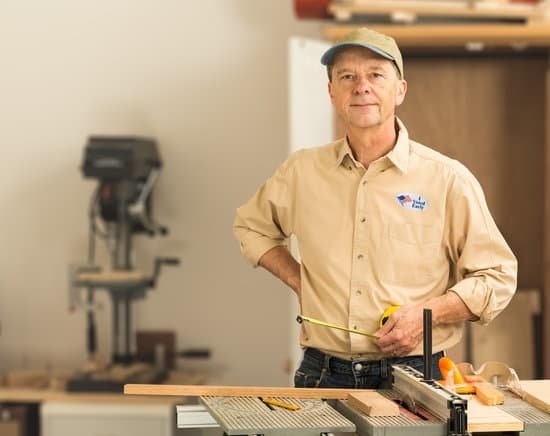
The best table saw for a woodworking shop depends first on the shop, not the brand. A mobile 120V garage shop has different needs from a dedicated furniture shop with 240V power. Use the selector below to identify the table-saw class that fits your work before comparing individual models.
Compact or full-size jobsite table sawFor a small shop that needs mobility, start with a portable saw that stores easily and has a fence you can set repeatably.
Quick Answer: Which Table Saw Class Fits Your Shop?
| Situation | Start with | Why |
|---|---|---|
| Small garage, saw must move | Jobsite / portable table saw | Compact storage, 120V power and rolling or folding stands. |
| Dedicated home shop, mostly furniture | Contractor, hybrid or 1.75 HP cabinet saw | More table mass and stability without automatically requiring a 3 HP production saw. |
| Professional shop with 240V | 3 HP cabinet saw | Stationary mass, larger fence options and power suited to continuous heavy work. |
| Safety is the overriding priority | Saw with active blade-stop technology | Choose safety technology first, then match voltage, fence and capacity to the shop. |
| Tiny shop, mostly sheet goods | Compact table saw or track-saw workflow | A table saw may not be the only efficient answer when floor space and infeed/outfeed clearance are the main constraints. |
Current Table Saws Worth Comparing
This is a comparison set, not a ranking. Specifications were checked against manufacturer information in September 2026; verify the current configuration before buying.
| Model | Class | Useful published specs | Best fit to investigate |
|---|---|---|---|
| DEWALT DWE7491RS | 10-in jobsite | 120V, 15A, 32-1/2-in rip capacity, rolling stand | Mobile shop needing generous rip capacity. |
| Bosch GTS15-10 | 10-in jobsite | 120V, 15A, up to 32-1/8-in right rip, Gravity-Rise stand | Portable setup where stand deployment matters. |
| SKIL TS6307-00 | 10-in jobsite | 120V, 15A, 10-in blade, integrated folding stand | Value-focused portable woodworking setup. |
| SawStop Jobsite Saw Pro JSS-120A60 | Jobsite | Portable format with SawStop blade-stop safety system | Mobile users prioritizing active safety technology. |
| SawStop Professional Cabinet Saw | Cabinet | 1.75 HP / 120V or 3 HP / 230V configurations; multiple fence widths | Dedicated furniture or professional shop. |
What Matters More Than the Brand Name
Fence quality and repeatability
For furniture and cabinet work, a fence that sets parallel and returns predictably to a dimension affects everyday accuracy more than a long feature list. Rack-and-pinion systems are common on current portable saws; heavier stationary saws use larger rail-and-fence systems.
Rip capacity
Rip capacity tells you how far the fence can move from the blade, but it does not guarantee that a small table can safely support a full sheet. Plan infeed, outfeed and side clearance as part of the shop layout.
120V vs 240V
Portable and many lower-power stationary saws run on typical 120V circuits. Higher-power cabinet saw configurations commonly require 230/240V service. Confirm the exact electrical requirements of the model and your shop before purchasing.
Dado capability
If stacked dado work matters to you, check the manufacturer’s approved blade diameter, maximum dado width and required insert. Do not assume every compact or jobsite saw accepts the same dado setup.
Safety system, riving knife and guard
A riving knife, blade guard and anti-kickback provisions are basic table-saw safety features. Some current saws add active blade-stop technology. Safety features do not replace correct setup, workpiece support, push devices and safe operating technique.
Small Shop: Table Saw or Track Saw?
If your main job is breaking down plywood in a very small shop, a track saw can reduce the floor-space and material-support problem. A table saw remains stronger for fast repeat rips, many jigs and certain joinery operations. The right answer can be a compact table saw plus a track saw rather than forcing one machine to do everything.
How the SERP Changed This Guide
Current buying guides repeatedly organize table saws by use case—portable, woodworking, cabinet, value—and compare power, rip capacity, fence systems, safety and mobility. Instead of adding another undifferentiated ranked list, this page turns those recurring decision factors into the selector above and then gives current models to verify against your result
Frequently Asked Questions
What size table saw is best for woodworking?
A 10-inch table saw remains a common general-purpose format, but the best size depends on required depth of cut, dado needs, portability and available shop space. Compact 8-1/4-inch saws can be enough for many small-shop tasks.
Is a jobsite table saw accurate enough for furniture?
It can be, when the fence and blade are correctly aligned and the work is properly supported. A heavier stationary saw usually offers more mass, table area and long-term setup convenience, but portability does not automatically mean inaccurate.
How much rip capacity do I need?
Choose it from the widest repeat rip you actually make. Cabinet sides and sheet-goods work often benefit from roughly 24 inches or more, while larger capacities reduce how often you need an alternate breakdown method.
Do I need a 3 HP cabinet saw?
Not automatically. A 3 HP saw makes more sense when you have 240V power and routinely cut thick hardwood or work at higher duty cycles. Many home furniture shops can be well served by lower-power stationary or quality portable saws.
What should a beginner prioritize?
Prioritize a stable setup, reliable fence, appropriate guarding and riving knife, clear controls, workpiece support and a saw that fits the space. Extra capacity is only useful if you can handle the stock safely.
Sources and Specification Checks
Manufacturer references: DEWALT DWE7491RS product page; Bosch GTS15-10 product/manual information; SKIL TS6307-00 catalog specifications; SawStop Jobsite Saw Pro and Professional Cabinet Saw product pages. Competitive SERP structure was reviewed separately; Woodwork Center does not reproduce competitor ratings or claim their hands-on findings as its own.

Hi everyone! I’m a woodworker and blogger, and this is my woodworking blog. In my blog, I share tips and tricks for woodworkers of all skill levels, as well as project ideas that you can try yourself.